Kwikstage Container Loading & Packaging Strategies for Importers
Learn how importers optimize Kwikstage scaffolding container loading, prevent rust in transit, and enforce packaging specs to reduce FCL freight costs.
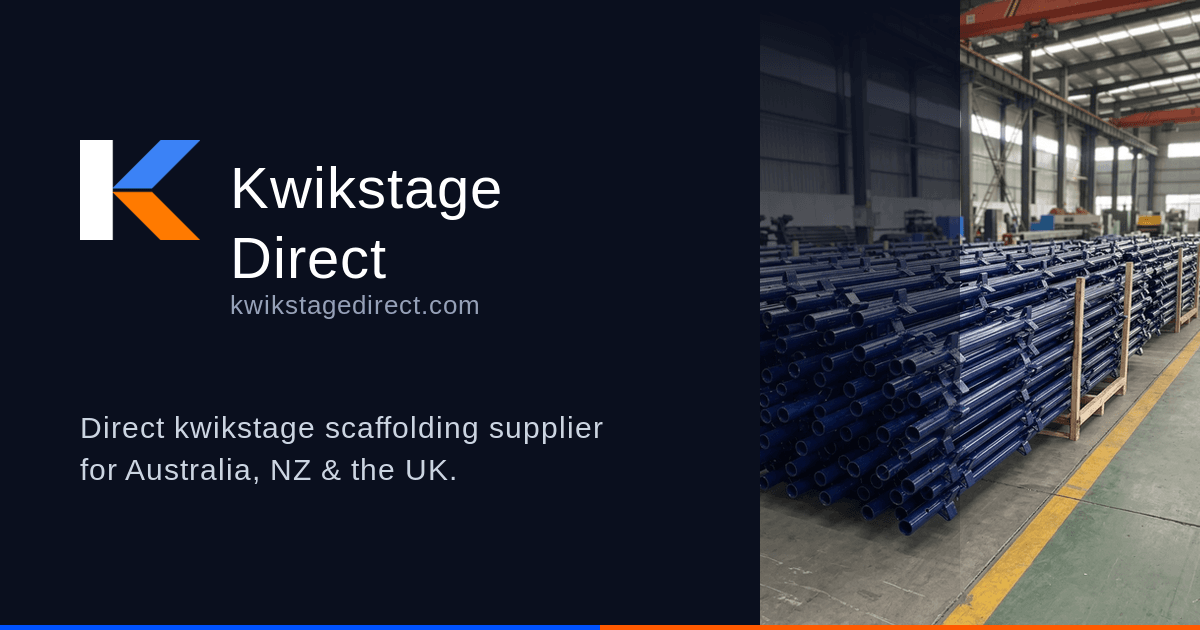
For procurement teams and distributors importing Kwikstage scaffolding from China, negotiating the per-ton steel price is only half the battle. The other half is ensuring the cargo survives a multi-week ocean transit and arrives in a condition ready for immediate dispatch to construction sites.
Improper packaging and container loading are the leading causes of hidden costs for importers. From bent vertical standards and white rust on galvanized finishes to exorbitant customs quarantine fees for untreated wooden dunnage, logistics failures destroy profit margins. This guide provides the technical blueprints and procurement strategies to optimize your next FCL (Full Container Load) Kwikstage shipment.
Scope note: this article reflects export packing assumptions reviewed on July 25, 2026 for global FCL shipments of hot-dip galvanized Kwikstage scaffolding components. Treat the payload figures as planning ranges only; final VGM, road limits, point-load limits, fumigation rules, and insurance instructions must be confirmed with your carrier, freight forwarder, and destination broker.
If the cargo list is still open, settle the heavy component quantities first: Kwikstage standards usually drive the base-tier weight, while Kwikstage ledgers and transoms determine how tightly the middle tiers can be bundled.
1. The "Weigh Out" vs. "Cube Out" Dilemma
Because Kwikstage steel components are incredibly dense, the limiting factor in shipping is always weight, not volume. Standard 20ft General Purpose (20GP) containers have a maximum payload capacity of roughly 28,000 kg (28 metric tons), depending on the shipping line and origin port limits.
If you try to load heavy scaffolding into a 40ft container (40HQ), you will hit the legal weight limit while the container is barely half full, forcing you to pay higher ocean freight rates for empty air.
| Logistics Factor | 20ft Container (20GP) | 40ft Container (40HQ) |
|---|---|---|
| Max Payload Weight | ~28,000 kg (28 tons) | ~28,000 kg to 29,000 kg |
| Usable Volume | 33 Cubic Meters (CBM) | 76 Cubic Meters (CBM) |
| Best Suited For | Standards, Ledgers, Braces, Jacks | Timber Boards, Edge Protection Mesh |
| Cost Efficiency | Optimal (Lowest cost per ton) | Poor (Paying for unused space) |
| Unloading Difficulty | Standard forklift operation | Harder to reach deep bundles |
| Loading Density Limit | Hits weight limit at ~60% full | Hits weight limit at ~30% full |
2. Visualizing FCL Bundling & Stacking
A 28-ton load must be perfectly distributed across the container floor. Uneven loading causes the container to tip during crane operations, resulting in catastrophic damage or rejection by the port authority. Kwikstage bundles must be strapped tightly with steel bands, not plastic PET bands, to survive the dynamic forces of a rough ocean crossing.
3. Mitigating Rust and Transit Damage
"Container Rain" (condensation) is a massive threat when shipping through varying climate zones (e.g., departing humid Southern China and arriving in cold Northern Europe). If hot-dip galvanized scaffolding gets wet inside the container without adequate airflow, a chemical reaction creates white zinc oxide powder, known as White Rust.
While minor white rust does not compromise structural integrity, it looks terrible and can lead your end-clients to reject the order. Prevent this by demanding the factory ensures all scaffolding is 100% dry before bundling, and instruct them to hang high-capacity desiccant bags inside the container.
4. The PO Packaging Checklist
Never assume the factory will package the goods optimally. You must explicitly define the packaging standards in your Purchase Order (PO).
Procurement Checklist: Packaging & Loading Specs
- ✅Bundle Strapping: Specify "Minimum 3x Heavy-Duty Steel Straps per bundle. Plastic/PET strapping is strictly prohibited."
- ✅Small Accessories (Wedges, Pins): "Must be packed in sealed plastic woven bags, then placed inside reinforced steel cages/crates. No loose loading."
- ✅Palletization & Dunnage: "All pallets and dunnage must be welded steel. If wood must be used, it MUST be ISPM 15 certified, heat-treated, and clearly stamped."
- ✅Moisture Control: "Supplier must hang a minimum of 6x 1kg calcium chloride desiccant poles inside the container prior to sealing."
- ✅Loading Plan (Tetris): "Require a pre-shipment loading plan and photos of the open container doors before sealing, proving heavy standards are loaded at the base."
5. Action Summary
By tightening your PO packaging requirements and understanding the geometry and weight limits of ocean containers, you can eliminate transit damage, prevent customs delays, and maximize the ROI on your landed freight costs. Never leave logistics up to factory assumptions.
Tired of Damaged Shipments and Wasted Freight?
At Kwikstage Direct, we engineer our export logistics as rigorously as our steel. Our scaffolding arrives dry, securely bundled, and perfectly optimized for 20GP container payload limits.
Discuss your next procurement cycle with our supply chain team →
6. References & Verification
| Source / Entity | Relevance | URL |
|---|---|---|
| Hapag-Lloyd 20' Standard Container Specification | Carrier specification for 20ft dry container payload and capacity planning assumptions. | hapag-lloyd.com |
| IPPC / FAO ISPM 15 Publication | International standards for phytosanitary measures regarding wood packaging material and dunnage treatment requirements. | ippc.int |
| TT Club StopLoss 13 | Industry guidance on containerized heavy steel cargo, stowage, securing, and moisture-related transit risk. | ttclub.com |